Small Habits, Big Savings
A busy kitchen places constant demand on plumbing, often without homeowners realizing how much stress daily routines create. Grease, food particles, soap residue, and fluctuating water pressure gradually affect pipes, drains, and fixtures. Learning a few practical maintenance habits can prevent expensive surprises, improve efficiency, and extend the life of your plumbing system while helping you recognize early warning signs before they become disruptive household emergencies.
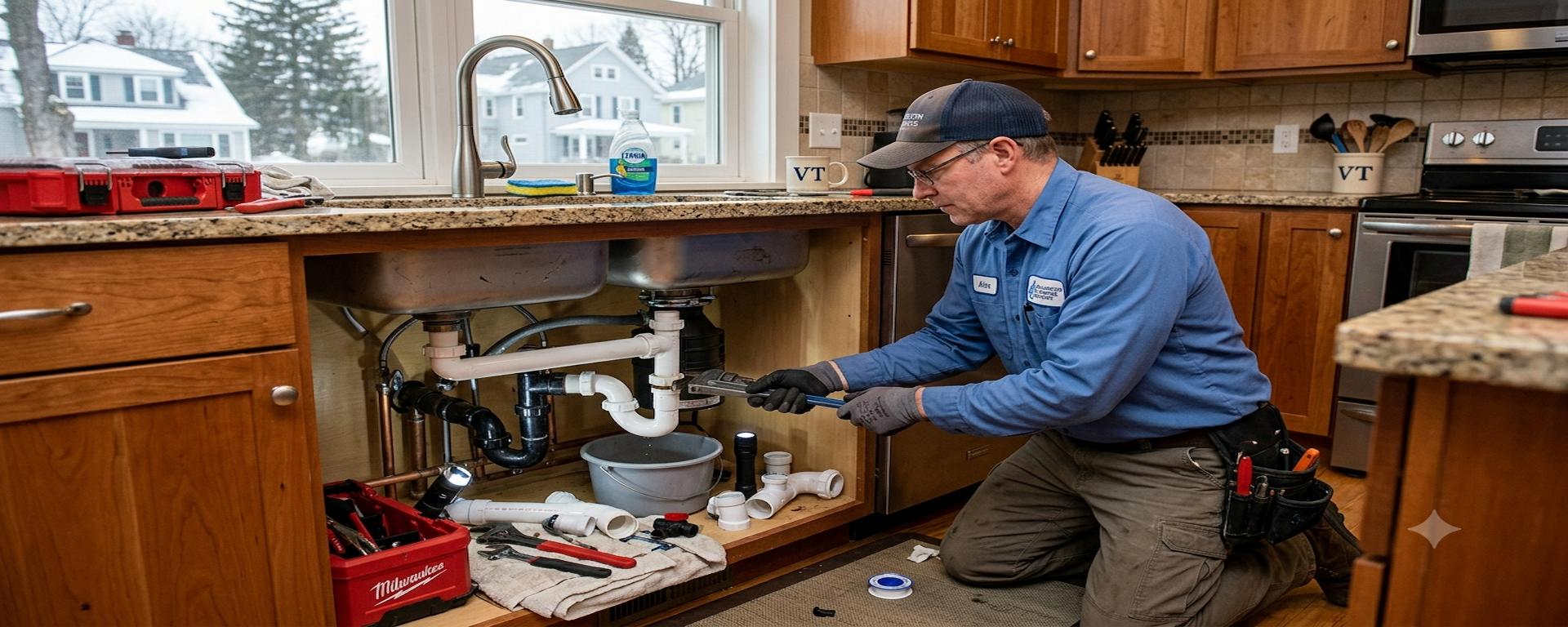
Even homeowners who perform regular maintenance occasionally need professional help. Scheduling kitchen plumbing repair in Burlington, VT, after noticing recurring drain backups, unusual pipe noises, or persistent leaks can prevent structural damage and unnecessary expenses. Early intervention typically costs less than waiting for visible water damage, and experienced technicians can identify hidden issues that are impossible to detect during a routine visual inspection.
Think Beyond The Drain
Many people assume kitchen plumbing begins and ends with the sink drain, but the system functions as a connected network. Water supply lines, shutoff valves, drainpipes, garbage disposals, dishwasher connections, and vent pipes all influence performance. A small restriction in one area can produce symptoms somewhere else, making careful observation more valuable than guessing where the actual problem originates.
Homeowners should never ignore recurring issues that temporarily disappear. Calling for kitchen plumbing repair in Burlington, VT, after repeated slow drainage or intermittent leaks often prevents pipe deterioration, cabinet damage, and mold growth beneath sinks. Small plumbing defects rarely repair themselves. Instead, they usually progress quietly until repair costs increase because surrounding materials have absorbed moisture over an extended period.
Everyday Choices Shape Plumbing Performance
Kitchen plumbing experiences wear from ordinary habits more than dramatic accidents. Pouring cooking oil into the sink may seem harmless while warm, yet it cools inside pipes and traps food particles along its sticky surface. Similarly, coffee grounds settle inside bends instead of dissolving. These everyday actions gradually reduce water flow, increasing pressure throughout the drainage system without obvious warning.
Water quality also deserves attention because mineral-rich water leaves deposits inside faucets and supply lines over time. Reduced flow is not always caused by clogged drains. Sometimes, restricted aerators or scale accumulation affect water pressure instead. Cleaning faucet aerators every few months restores performance while helping homeowners recognize unusual sediment that could indicate broader plumbing concerns.
Smart Weekly Maintenance
Simple weekly routines reduce stress on plumbing while requiring very little time.
- Run hot water after washing greasy cookware to help move soap residue through the drainpipes.
- Use sink strainers to capture food scraps before they enter the drain.
- Check beneath the sink for moisture, corrosion, or unusual odors.
- Test shutoff valves occasionally to ensure they remain functional.
- Wipe faucet bases to identify slow leaks before they damage surrounding surfaces.
Garbage Disposal Habits Matter
Garbage disposals are convenient, but they perform best when treated as helpers rather than waste containers. Fibrous vegetables, eggshell membranes, pasta, rice, and large fruit peels often create unnecessary strain. Running cold water before, during, and after operating the disposal helps solid particles move efficiently while protecting moving components from overheating during normal household use.
An unusual grinding sound should never be dismissed as normal aging. Loose internal components, damaged blades, or trapped objects can quickly worsen if the operation continues. Disconnecting power before inspection is always the safest approach. If the source cannot be identified easily, professional diagnosis prevents accidental damage that may require complete disposal or replacement rather than a simple repair.
Recognize Problems Before They Escalate
Kitchen plumbing rarely fails without giving subtle clues first. Homeowners who understand these signals often avoid emergency repairs because they respond before significant damage develops. Instead of waiting for standing water or burst pipes, pay attention to gradual changes in daily performance.
Warning Signs Worth Investigating
A sink that empties more slowly than usual, fluctuating water pressure, unpleasant drain odors, discoloration around cabinet joints, unexpected increases in water bills, or recurring dripping sounds all deserve attention. These symptoms may indicate hidden leaks, partial blockages, deteriorating seals, or supply line problems. Addressing them promptly protects flooring, cabinetry, insulation, and nearby structural materials from unnecessary moisture exposure.
Seasonal Plumbing Awareness
Kitchen plumbing responds differently throughout the year. During colder months, exterior walls containing water lines become vulnerable to freezing temperatures, especially in older homes with limited insulation. Summer often increases water usage through gardening, entertaining, and additional cooking, placing greater demand on plumbing fixtures that may already show minor signs of wear.
Seasonal inspections offer opportunities to spot changing conditions. Examine exposed pipes for corrosion, confirm insulation remains intact, and ensure dishwasher supply hoses show no cracks or bulges. Replacing inexpensive components before failure usually provides far better value than repairing water damage caused by an unexpected leak during busy family gatherings or vacations.
Lasting Kitchen Confidence
Reliable kitchen plumbing depends less on expensive equipment and more on consistent attention to everyday details. Smart disposal habits, regular inspections, prompt leak detection, and awareness of changing performance all contribute to a healthier plumbing system. Homeowners who treat small concerns seriously often avoid disruptive emergencies while protecting cabinets, flooring, and appliances. Applying these practical strategies creates lasting confidence, lowers repair costs over time, and keeps one of the busiest spaces in the home functioning smoothly for years to come.