Choosing the right way to heat your water is a significant decision for any Western Australian household. Hot water heating typically accounts for about 25% of the average home’s energy usage, making it a primary target for those looking to slash their monthly utility bills. In Perth’s unique Mediterranean climate, homeowners are increasingly caught between the traditional reliability of gas and the high-tech efficiency of modern heat pumps. Both systems offer distinct advantages, but the right choice often depends on your existing infrastructure, your long-term budget, and your commitment to a sustainable lifestyle.
For many local residents, the debate begins when an old storage unit finally springs a leak. If you find yourself in this situation, the first step is often researching a professional hot water system installation Perth to understand the logistical requirements of your property. While gas has been the historical favorite due to Perth’s extensive natural gas network, the shifting landscape of energy prices and government incentives is making electric heat pumps a more formidable competitor. By evaluating your household’s specific water demands and your home’s solar capacity, you can make a choice that balances upfront costs with years of reliable performance.
Understanding Heat Pump Technology in WA
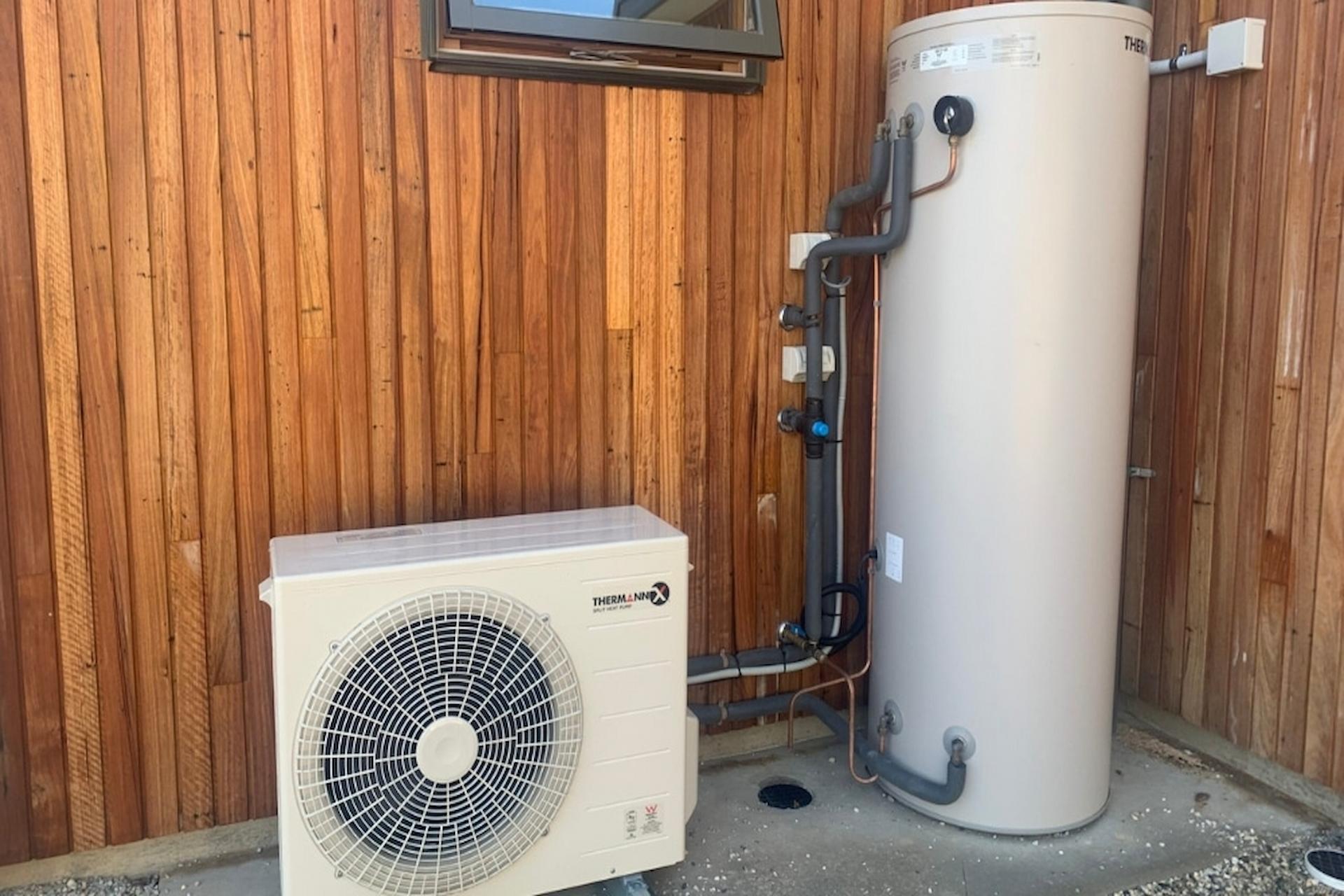
A heat pump doesn’t actually “generate” heat in the traditional sense. Instead, it acts like an air conditioner working in reverse. It extracts ambient heat from the outside air and transfers it into the water tank. This process is incredibly efficient because it only uses electricity to power the compressor and fan, rather than using an element to heat the water directly.
In Perth’s mild winters, where temperatures rarely drop toward freezing, heat pumps operate at peak efficiency year-round. Because the air remains relatively warm even in July, the system doesn’t have to work nearly as hard as it would in a colder climate like Hobart or Melbourne. This makes an energy efficient hot water Perth upgrade particularly attractive for local families, as the “coefficient of performance” (COP) remains high through every season, ensuring you get three to four units of heat for every one unit of electricity consumed.
The Case for Gas Hot Water Systems
Gas systems, particularly instantaneous or “continuous flow” models, remain popular for a few key reasons. They provide an endless supply of hot water, which is a major benefit for large families with back-to-back showers. They also take up very little space, as they don’t require a large storage tank. If your home is already connected to natural gas, the installation is often straightforward and less expensive than a total conversion to electric.
However, the running costs of gas are increasingly under the microscope. With natural gas prices rising and the push toward “electrification” growing across Australia, the long-term savings of gas are beginning to diminish. While the “instant” nature of these units is convenient, they are significantly less efficient than a heat pump in terms of raw energy conversion.
Solar Synergy and Running Costs
If your Perth home already features a rooftop solar PV system, the argument for a heat pump becomes nearly undeniable. You can program your heat pump to run during the middle of the day when your solar panels are producing excess energy. This effectively allows you to “store” your solar energy in the form of hot water, reducing your reliance on the grid and making your hot water essentially free to produce.
Comparing the Numbers
When looking at 10-year projected costs, the heat pump often wins on total value. While a gas unit might be cheaper to buy on day one, the annual energy consumption of a heat pump is roughly 60% to 75% lower. In a sun-drenched city like Perth, maximizing your “self-consumption” of solar power is the fastest way to achieve a return on your investment.
Key Factors to Consider for Your Home
Before making a final decision, it is worth comparing the physical and financial requirements of each system. Perth homes vary from high-density urban townhouses to sprawling suburban blocks, and space constraints can often dictate your options.
- Space Availability: Heat pumps require a well-ventilated outdoor area to extract air, whereas gas instantaneous units are compact and wall-mounted.
- Upfront Rebates: Federal STCs (Small-scale Technology Certificates) can provide a significant upfront discount on heat pumps, often reducing the price by over $1,000.
- Noise Levels: Modern heat pumps are quiet, but they do have a fan and compressor that generate a low hum, similar to a split-system air conditioner.
- Maintenance: Gas systems require regular safety checks for burners and flues, while heat pumps require periodic filter cleaning and anode inspections.
- Future Proofing: Moving toward an all-electric home can simplify your utility bills by allowing you to disconnect from the gas network entirely.
Installation Complexity and Local Regulations
Switching from a gas storage unit to a heat pump isn’t always a “plug and play” process. It often requires both a licensed plumber and an electrician to run a new dedicated circuit from your switchboard. This adds to the initial labor cost, but it is a one-time expense that paves the way for a more efficient home. Conversely, replacing an old gas unit with a new 5-star gas model is often the fastest way to restore hot water if you are in a rush, as the existing gas lines and plumbing are already in place.
Conclusion
The choice between a heat pump and gas depends on whether you are prioritizing lower upfront costs or long-term energy independence. For Perth homes with solar panels, the heat pump is the clear winner for reducing the cost of living and environmental impact. However, for those with limited space or a preference for the “endless” supply of an instantaneous gas unit, gas remains a reliable contender. Regardless of which path you choose, ensuring a professional installation is the key to a system that serves your family for a decade or more.