Introduction
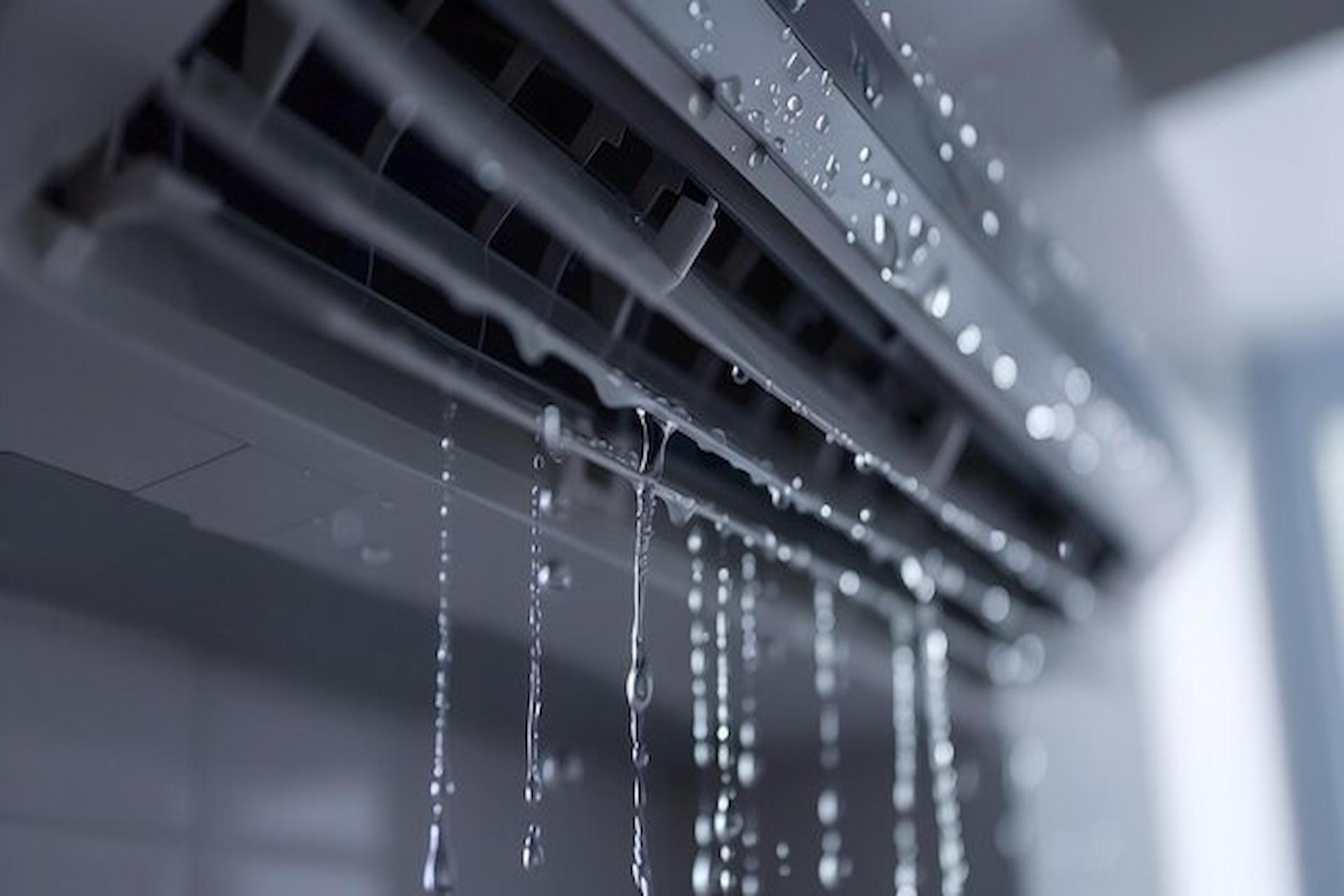
It often starts with a small puddle near your indoor unit—easy to ignore at first, but a clear sign something isn’t right. An air conditioner leaking water inside your home isn’t just inconvenient; it can lead to structural damage, mold growth, and costly repairs if left unchecked.
The good news is that most AC leaks have simple explanations and, in many cases, manageable fixes. By understanding what causes the issue and how to respond quickly, homeowners can protect their system and avoid bigger problems down the line.
Why Your Air Conditioner Is Leaking Water
Air conditioners naturally produce moisture as they cool your home. Warm air passes over cold evaporator coils, creating condensation that should drain safely through a condensate line.
However, when this process is disrupted, water can back up and leak into your home. The issue is rarely the water itself—it’s what’s preventing proper drainage or airflow.
Normal vs. Problematic Water Drainage
A small amount of moisture around the drain line is normal. But visible pooling, dripping from the unit, or water stains on walls or ceilings signal a problem that needs attention. Ignoring it can lead to long-term damage and reduced system performance.
Most Common Causes of AC Water Leaks
Several issues can cause your AC to leak water. Understanding these helps you identify the problem quickly.
A clogged condensate drain line is one of the most frequent causes. Dust, dirt, or algae buildup can block the line, preventing water from draining properly.
Dirty air filters can also play a role. When airflow is restricted, the evaporator coil may freeze. As the ice melts, excess water can overwhelm the drainage system.
Low refrigerant levels create similar conditions, causing coils to freeze and later drip water.
Another common issue is a damaged or rusted drain pan. Over time, pans can crack or corrode, allowing water to escape before it drains.
Each of these problems affects how your system handles moisture, turning a normal process into a leak.
Signs Your AC Leak Needs Immediate Attention
Not all leaks look the same, but certain warning signs indicate urgency.
Water pooling around your indoor unit is the most obvious. If you notice damp areas nearby, it’s time to investigate.
Musty or moldy odors can also signal hidden moisture buildup. This is especially concerning, as it can impact indoor air quality.
Weak airflow or warm air coming from vents may indicate frozen coils or internal issues.
Unusual noises, such as dripping or gurgling sounds, often point to drainage problems.
Addressing these signs early can prevent more serious damage and higher repair costs.
How to Fix an Air Conditioner Leaking Water
Some AC leaks can be resolved with simple steps, especially if caught early.
Start by turning off the unit to prevent further water buildup. Then check the air filter. If it’s dirty, replacing it may restore proper airflow and stop the issue.
Next, inspect the condensate drain line. If it appears clogged, clearing it with a wet/dry vacuum or a gentle flush can often resolve the blockage.
If you’re unsure where to begin, understanding why your AC is leaking water can help guide your next steps and prevent repeat issues.
It’s also wise to check the drain pan for visible cracks or rust. If damaged, it may need replacement to stop the leak completely.
While these steps can help with minor issues, they may not solve deeper system problems.
When to Call a Professional HVAC Technician
Some situations require expert attention. If the leak continues despite basic troubleshooting, it’s time to call a professional.
Refrigerant issues, frozen coils, or internal component failures are not safe to handle without proper tools and training.
Homeowners dealing with recurring situations where their AC is leaking water should avoid repeated DIY fixes, as the underlying cause may worsen over time.
A qualified technician can diagnose the problem accurately, repair damaged components, and ensure your system operates safely and efficiently.
Preventing Future AC Water Leaks
Prevention is always more cost-effective than repair. Regular maintenance plays a key role in keeping your AC system functioning properly.
Replace air filters every one to three months to maintain proper airflow. Schedule routine inspections to catch minor issues before they escalate.
Keeping the condensate drain line clean is equally important. A simple annual cleaning can prevent clogs and water backup.
Monitoring humidity levels in your home also helps reduce strain on your system.
By staying proactive, homeowners can minimize the chances of dealing with problems like an AC is leaking water situation in the future.
Conclusion
An air conditioner leaking water inside your home is a warning sign that shouldn’t be ignored. While the causes are often straightforward—like clogged drain lines or dirty filters—the consequences can escalate quickly if left unaddressed.
Taking early action, performing regular maintenance, and knowing when to call a professional can save time, money, and stress. With the right approach, you can keep your cooling system running smoothly and your home safe from unnecessary damage.