Owning a home is rewarding, but it also comes with ongoing responsibilities. From fixing a dripping faucet to repairing damaged drywall, every homeowner eventually faces maintenance tasks that need attention. The good news is that many common home repairs don’t require years of experience or expensive equipment. With the right knowledge, tools, and preparation, you can confidently tackle a wide range of projects while saving money and protecting your property’s value.
This complete guide covers the essential home repair skills every homeowner should know. You’ll learn how to plan projects, choose the right tools, prioritize repairs, avoid common DIY mistakes, and recognize when it’s time to call a professional.
Why Home Repair Skills Matter
Learning basic home maintenance offers benefits far beyond saving on repair bills. Regular upkeep keeps your home safer, more comfortable, and more energy-efficient while preventing small issues from becoming costly emergencies.
Homeowners who stay on top of routine maintenance often enjoy:
- Lower long-term repair costs
- Better property value
- Improved home safety
- Greater energy efficiency
- Increased confidence handling unexpected problems
- Longer lifespan for household systems and materials
Even simple repairs completed at the right time can prevent thousands of dollars in future damage.
Start Every Project with a Plan
Successful repairs begin long before picking up a hammer.
Ask yourself these questions:
- What exactly is causing the problem?
- Can I safely complete this repair?
- What tools and materials will I need?
- How much will it cost?
- How much time should I allow?
- Are permits required?
Taking a few extra minutes to evaluate the project often prevents frustration, wasted materials, and costly mistakes.
Before starting, carefully inspect the affected area. Sometimes what appears to be a small cosmetic issue is actually a sign of a larger problem hiding underneath.
Build a Basic Home Repair Toolkit
Every homeowner should keep a collection of reliable tools for everyday maintenance.
A practical starter toolkit includes:
- Claw hammer
- Tape measure
- Utility knife
- Adjustable wrench
- Screwdriver set
- Cordless drill
- Pliers
- Level
- Stud finder
- Putty knife
- Flashlight
- Safety glasses
- Work gloves
- Dust mask
- Ladder
Quality tools typically last for many years and make every repair easier, safer, and more accurate.
Choose the Right Materials
Using proper materials is just as important as using the correct tools.
Different repairs require different products depending on:
- Indoor or outdoor use
- Moisture exposure
- Temperature changes
- Weight-bearing requirements
- Surface type
For example:
- Use moisture-resistant drywall in bathrooms.
- Select exterior-grade caulk for outdoor sealing.
- Choose galvanized screws for exterior wood projects.
- Use paint designed specifically for kitchens or bathrooms in humid spaces.
Reading manufacturer instructions before purchasing materials helps ensure compatibility and durability.
Essential Home Repair Skills Every Homeowner Should Learn
Fixing Leaky Faucets
A dripping faucet wastes water and gradually increases utility bills.
Many leaks result from worn washers, cartridges, or O-rings that are inexpensive to replace.
Before beginning:
- Shut off the water supply.
- Cover the drain to prevent losing small parts.
- Take photos during disassembly for easier reassembly.
Most faucet repairs can be completed in under an hour.
Repairing Small Drywall Damage
Minor holes, dents, and cracks are among the easiest DIY repairs.
For small nail holes:
- Fill with spackle.
- Allow it to dry.
- Sand smooth.
- Prime and paint.
Larger holes may require a repair patch before applying joint compound.
Proper sanding creates an invisible finish after painting.
Stopping Drafts Around Doors and Windows
Air leaks increase heating and cooling costs throughout the year.
Common solutions include:
- Replacing weatherstripping
- Installing door sweeps
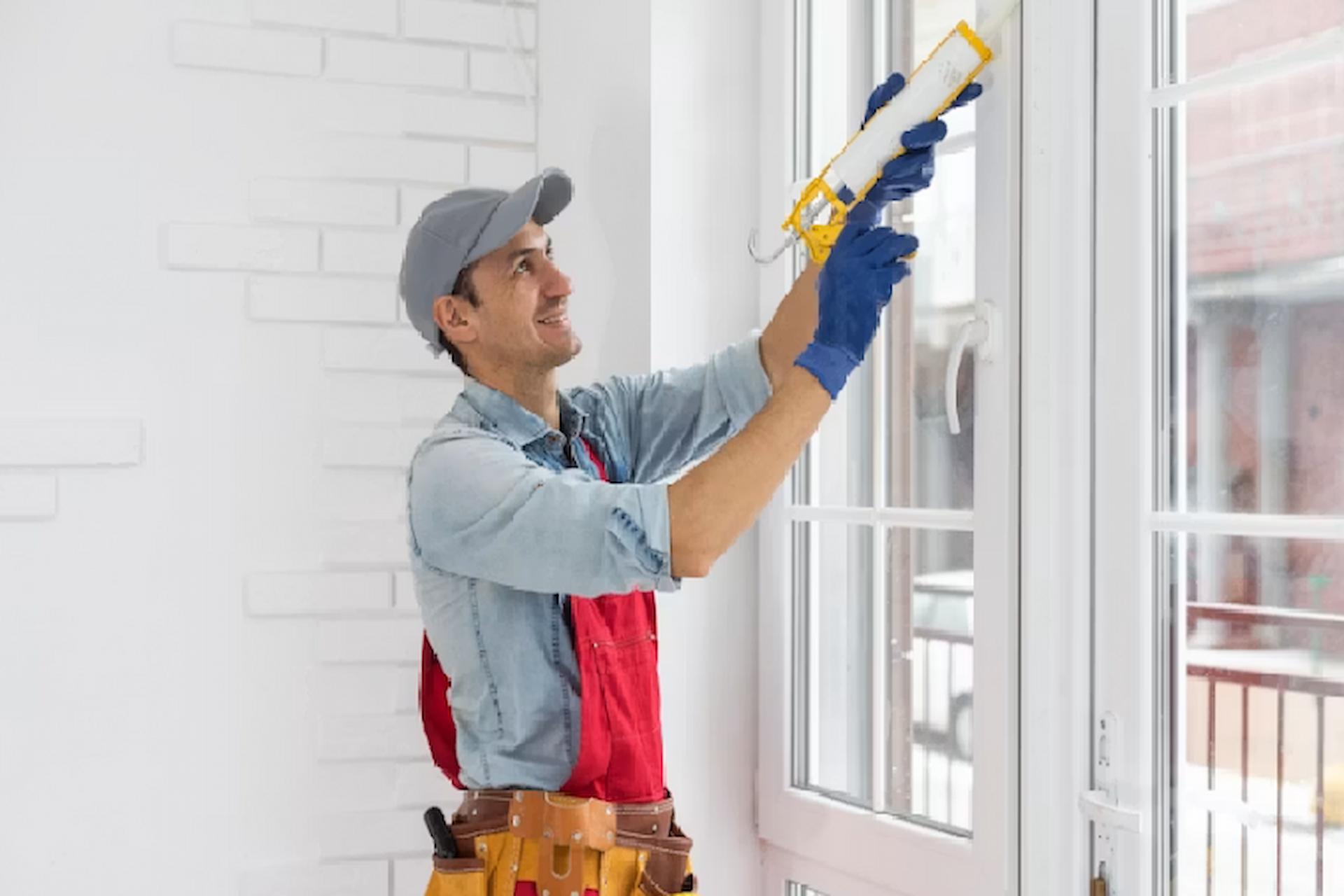
- Applying fresh caulk
- Sealing window trim gaps
These inexpensive improvements often produce noticeable energy savings while making rooms more comfortable.
Clearing Minor Drain Clogs
Slow drains usually develop from accumulated hair, soap residue, grease, or food debris.
Before reaching for harsh chemicals:
- Try a plunger.
- Use a drain snake.
- Remove visible debris manually.
Chemical drain cleaners should be used sparingly because repeated use may damage some plumbing materials.
Painting Walls Correctly
Painting remains one of the most effective ways to refresh a home.
Professional-looking results depend on preparation.
Always:
- Clean surfaces first.
- Repair holes and cracks.
- Sand rough areas.
- Apply painter’s tape carefully.
- Use primer when necessary.
Multiple thin coats generally produce a smoother finish than one thick coat.
Replacing Basic Hardware
Many homeowners can easily replace:
- Cabinet handles
- Door knobs
- Hinges
- Light switch covers
- Closet hardware
These quick upgrades improve both appearance and functionality with minimal effort.
Prioritize Repairs Wisely
Not every repair deserves immediate attention.
A simple priority system helps homeowners stay organized.
High Priority
Address immediately:
- Water leaks
- Roof damage
- Electrical issues
- Gas odors
- Foundation movement
- Mold growth
Ignoring these problems can quickly lead to significant damage or safety hazards.
Medium Priority
Schedule soon:
- Cracked grout
- Loose railings
- Broken screens
- Small plumbing leaks
- Damaged weatherstripping
These repairs prevent larger problems from developing.
Low Priority
Complete when convenient:
- Cosmetic wall dents
- Minor paint touch-ups
- Decorative improvements
- Small flooring scratches
Although less urgent, these repairs help maintain your home’s appearance and value.
Budget for Home Repairs
Unexpected repairs become less stressful when homeowners plan ahead.
Many experts recommend setting aside 1% to 3% of a home’s value annually for maintenance and repairs.
Your repair budget should include:
- Materials
- Replacement parts
- Tool purchases
- Safety equipment
- Emergency repairs
- Professional services when necessary
Keeping a dedicated maintenance fund reduces financial surprises.
Preventive Maintenance Saves Money
Routine maintenance prevents many expensive repairs before they begin.
A seasonal maintenance checklist keeps everything on schedule.
Spring
- Inspect the roof
- Clean gutters
- Check exterior siding
- Test outdoor faucets
- Service the air conditioning system
Summer
- Inspect decks
- Seal exterior wood
- Trim vegetation
- Clean windows
- Pressure wash surfaces if needed
Fall
- Clean gutters again
- Seal air leaks
- Inspect the heating system
- Drain outdoor water lines
- Test smoke detectors
Winter
- Watch for frozen pipes
- Check insulation
- Inspect attic ventilation
- Remove excess snow when necessary
- Monitor indoor humidity
Consistent maintenance extends the life of nearly every major home system.
Common DIY Mistakes to Avoid
Even experienced homeowners occasionally make mistakes.
Some of the most common include:
- Skipping project planning
- Buying incorrect materials
- Ignoring safety equipment
- Rushing through preparation
- Over-tightening plumbing fittings
- Painting without cleaning surfaces
- Attempting repairs beyond personal skill level
- Forgetting to shut off electricity or water before working
Learning from these common errors improves both safety and results.
Home Repair Safety Tips
Safety should always come first.
Before beginning any repair:
- Turn off electricity when working on electrical fixtures.
- Shut off water before plumbing repairs.
- Wear eye protection.
- Use gloves when handling sharp materials.
- Maintain three points of contact on ladders.
- Keep work areas clean.
- Read product safety instructions carefully.
- Never work alone during hazardous projects.
A successful repair is never worth risking injury.
When to Call a Professional
DIY skills have limits.
Professional assistance is the safest choice for:
- Major electrical work
- Gas line repairs
- Structural damage
- Foundation issues
- Roof replacement
- Large plumbing failures
- Mold remediation
- HVAC system installation
Attempting these projects without proper training can create serious safety risks and expensive damage.
Knowing when to ask for help is part of being a responsible homeowner.
A Practical Home Repair Checklist
Keep this simple checklist handy before starting any project.
- Identify the source of the problem.
- Gather all required tools.
- Purchase quality materials.
- Wear appropriate safety gear.
- Shut off utilities if necessary.
- Read manufacturer instructions.
- Work slowly and carefully.
- Test the repair before cleaning up.
- Dispose of waste properly.
- Document completed maintenance for future reference.
Following a consistent process makes repairs more efficient and reduces mistakes.
Frequently Asked Questions (FAQs)
What home repairs should every homeowner learn first?
Start with basic skills such as fixing leaky faucets, patching drywall, unclogging drains, replacing weatherstripping, painting walls, and changing door hardware. These repairs are common, affordable, and relatively easy to learn.
How much should I budget for annual home maintenance?
A common guideline is to save between 1% and 3% of your home’s value each year for maintenance and repairs. Older homes may require a larger maintenance budget.
What tools are absolutely essential for beginners?
A hammer, screwdriver set, adjustable wrench, cordless drill, tape measure, utility knife, level, pliers, flashlight, safety glasses, gloves, and a sturdy ladder form a solid starter toolkit.
Is DIY always cheaper than hiring a professional?
Not necessarily. While DIY can reduce labor costs, mistakes may lead to more expensive repairs later. Always consider your skill level, the complexity of the project, and potential safety risks before deciding.
How can I prevent expensive home repairs?
Perform regular inspections, fix small problems promptly, clean gutters, seal gaps, maintain HVAC systems, inspect plumbing for leaks, and follow a seasonal maintenance schedule.
Conclusion
Home repairs don’t have to be intimidating. With the right preparation, a reliable set of tools, and a willingness to learn, homeowners can confidently handle many common maintenance tasks while protecting their property’s value and reducing long-term costs. The key is knowing your limits, working safely, and addressing small problems before they become major expenses. By building practical repair skills and following a consistent maintenance routine, you’ll enjoy a safer, more comfortable home and greater peace of mind for years to come.